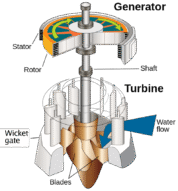
Transformers play a critical role in hydroelectric power plants by enabling efficient voltage transformation, seamless grid integration, and safe electricity distribution. Whether stepping up voltage for long-distance transmission or stepping it down for local use, transformers are essential for reliable hydro power operations.
🔍 Why Transformers Matter in Hydro power Systems
- Efficient Power Transmission: Step-up transformers reduce line losses during long-distance transmission.
- Grid Synchronization: Ensure compatibility with regional and national power grids.
- Operational Flexibility: Step-down and isolation transformers support diverse distribution needs.
- Enhanced Safety: Oil-immersed and dry-type transformers improve reliability and fire resistance.
🧭 Classification of Transformers in Hydroelectric Power Plants
1. ⚙️ By Function (Voltage Transformation)
| Type | Description | Common Use Case |
|---|---|---|
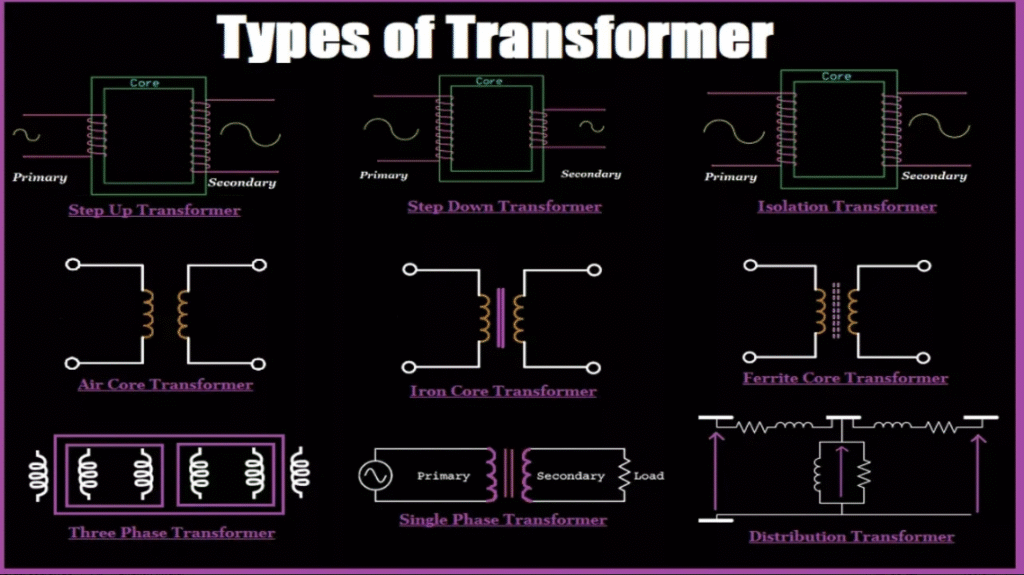
| Step-Up Transformers | Increase generator voltage (11–20 kV) to transmission levels (132–400 kV) | Large hydro plants for grid transmission |
| Step-Down Transformers | Reduce transmission voltage for distribution or internal use | Small hydro plants, auxiliary systems |
| Isolation Transformers | Provide electrical isolation without changing voltage | Safety and noise reduction |
2. 🔌 By Voltage Level
- High-Voltage Transformers: 132 kV, 220 kV, 400 kV+ Used in large hydro stations connected to national grids.
- Medium/Low-Voltage Transformers: Ideal for mini and micro hydro projects with local distribution.
3. 🌡️ By Cooling and Insulation Method
| Type | Cooling Method | Best For |
|---|---|---|
| Oil-Immersed | Insulating oil | Large-capacity outdoor installations |
| Dry-Type | Air or solid resin | Indoor or fire-sensitive environments |
4. 🔄 By Phase Configuration
- Single-Phase Transformers: Used in small-load or auxiliary circuits.
- Three-Phase Transformers: Standard in hydroelectric plants for balanced power transmission.
🏞️ Applications of Transformers in Hydroelectric Power Plants
Large Hydroelectric Stations
- Use high-capacity, oil-immersed, three-phase step-up transformers
- Boost voltage to 132–400 kV for national grid transmission
Small Hydroelectric Projects
- Deploy a mix of:
- Small Step-Up Transformers for regional distribution
- Step-Down Transformers for local supply
- Dry-Type Transformers for indoor or remote setups
🔧 Types of Transformers Used in Power Systems
Beyond hydroelectric plants, transformers are categorized by design and purpose:
| Transformer Type | Key Features | Typical Use Case |
|---|---|---|
| Distribution Transformer | Supplies homes and businesses | Local power distribution |
| Power Transformer | Handles bulk transmission | Substations and power plants |
| Autotransformer | Single winding, compact design | Space-saving installations |
| Variable Voltage | Adjustable output voltage | Laboratories and testing environments |
| Core vs. Shell Type | Based on winding and core layout | Design-specific applications |
| Indoor vs. Outdoor | Environment-specific insulation and cooling | Site-dependent installations |
✅ Conclusion: Choosing the Right Transformer for Hydropower Success
Transformers are the backbone of hydroelectric power generation and distribution. From large dam-based stations to small community hydro plants, selecting the right transformer—whether step-up, step-down, oil-immersed, or dry-type—is essential for:
- Maximizing energy efficiency
- Ensuring grid compatibility
- Enhancing operational safety and reliability