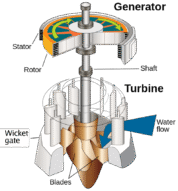
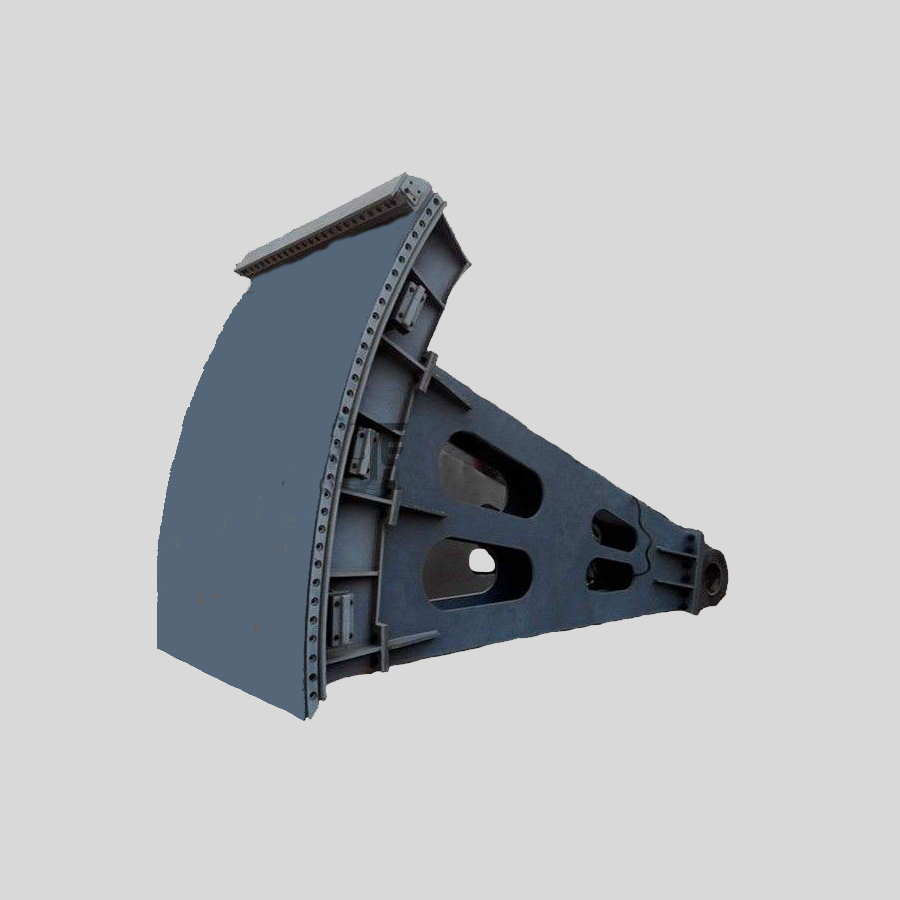
A radial gate, also known as a Tainter gate, is a vital hydraulic structure used in dams, spillways, canals, and reservoirs to regulate water flow. Its curved gate face and radial arm design allow it to withstand high water pressure while ensuring smooth and efficient operation. These gates are widely adopted in hydro power plants, irrigation systems, and flood control infrastructure due to their durability, reliability, and cost-effectiveness.
🔧 Functions of Radial Gates
Radial gates play a critical role in water resource management. Their primary functions include:
- Water Level Control: Maintains optimal water levels in reservoirs and canals for efficient storage and distribution.
- Water Diversion: Redirects water for agricultural irrigation, municipal supply, or industrial use.
- Flood Control: Releases excess water during heavy rainfall or snowmelt to prevent dam overtopping and structural damage.
- Storage Optimization: Regulates outflow to maximize reservoir capacity and ensure consistent water availability.
📐 Key Specifications of Radial Gates
Understanding the structural components of radial gates is essential for engineers and dam operators:
| Component | Description |
|---|---|
| Curved Gate Face | Semi-cylindrical surface that efficiently transfers hydro static pressure. |
| Radial Arms | Connect the gate face to trunnion bearings; reinforced for structural integrity. |
| Trunnion Bearings | Heavy-duty pivot points embedded in the dam wall for smooth gate movement. |
| Material | High-strength steel with anti-corrosion coatings for long-term durability. |
⚙️ Hydraulic Power Pack & Operation System
Radial gates are operated using a hydraulic power pack, which ensures precise and reliable movement:
- Hydraulic Components: Includes electric motor, hydraulic pump, oil reservoir, and control valves.
- Controlled Operation: Gates are lifted or lowered at regulated speeds to match flow requirements.
- Emergency Backup: Equipped with accumulators or alternative power sources for fail-safe operation during outages.
🛠️ Operation & Maintenance Best Practices
To ensure long-term performance and safety, radial gates require routine monitoring and maintenance:
- Monitoring Systems: Gate position sensors (e.g., optical encoders) provide real-time feedback.
- Automation & Control: Integration with PLCs and SCADA systems enables remote and automated operation.
- Cleaning Protocols: Regular removal of silt, algae, and debris prevents mechanical blockages.
- Inspection Schedule: Periodic checks of bearings, seals, hydraulic systems, and welds reduce the risk of failure.
💡 Why Radial Gates Are Preferred in Dams and Spillways
Radial gates offer several engineering and operational advantages:
- High Pressure Resistance: Their curved design efficiently transfers water loads to trunnion bearings.
- Unobstructed Flow: When fully open, they provide a wide, clear passage for water, minimizing resistance.
- Proven Reliability: Decades of successful implementation worldwide make them a trusted solution.
- Cost Efficiency: Capable of handling large water volumes with relatively compact hoisting systems.
✅ Conclusion: The Role of Radial Gates in Modern Water Infrastructure
Radial gates (Tainter gates) are indispensable in hydraulic engineering, offering a robust solution for water regulation, flood control, and hydro power generation. Their innovative design, coupled with modern automation and maintenance practices, ensures safe and efficient operation across diverse water management systems. As climate variability increases, the importance of reliable gate systems like radial gates becomes even more critical in safeguarding infrastructure and communities.