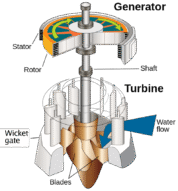
Hydro power projects rely on a complex system of gates to regulate water flow, protect infrastructure, and optimize energy generation. These gates are not just mechanical components—they are strategic assets that ensure safety, efficiency, and sustainability across dam operations.
Whether you’re an engineer, infrastructure planner, or hydro power enthusiast, understanding the different types of gates used in hydroelectric systems is essential. This guide explores the key gate types, their functions, technical specifications, operation methods, and maintenance protocols—all aligned with SEO best practices for discoverability.
🚪 1. Intake Gate: The Gateway to Turbine Efficiency
✅ Function
Intake gates control the flow of water into penstocks, which feed turbines. They also act as emergency shut-off mechanisms during maintenance or system failures.
⚙️ Specifications
- Heavy-duty sluice gate design
- Materials: Stainless steel or cast iron
- Engineered to withstand hydro static and hydrodynamic pressures
🔄 Operation
- Manual: Hand wheels or mechanical hoists
- Automated: Electric actuators or hydraulic cylinders
🛠️ Maintenance
- Leak inspections and seal integrity checks
- Lubrication of moving components
- Monitoring of hoists, limit switches, and gate leaves
🌊 Importance
- Ensures uninterrupted water supply to turbines
- Enables emergency shutdowns
- Protects infrastructure from over pressure or mechanical failure
🏞️ 2. Under Sluice Gate: Sediment Control at Its Core
✅ Function
Located at the reservoir bed, under sluice gates release sediment-laden water to prevent silt buildup and maintain reservoir capacity.
⚙️ Specifications
- Bed-level sluice gates
- Made from erosion-resistant alloys
🔄 Operation
- Periodic opening during high flows
- Strategic use for sediment scouring
🛠️ Maintenance
- Monitoring gate mobility and sediment flow
- Preventing jamming from debris or silt
🌊 Importance
- Controls sedimentation
- Preserves reservoir storage volume
- Enhances long-term hydro power efficiency
💨 3. Flushing Gate: High-Velocity Sediment Removal
✅ Function
Flushing gates remove sediment, debris, and pollutants by generating high-velocity flows that scour the reservoir bed.
⚙️ Specifications
- Sluice or specialized flushing structures
- Designed for abrasive flow resistance
🔄 Operation
- Controlled water release to induce bed shear stress
- Uses storm water or reservoir discharge for flushing
🛠️ Maintenance
- Hydraulic performance checks
- Seal and pipe geometry inspections
- Sediment analysis for optimal removal
🌊 Importance
- Cost-effective sediment management
- Prevents clogging of spillways and intakes
- Improves water quality
🚫 4. Flap Gate: Automatic Back flow Prevention
✅ Function
Flap gates act as non-return valves, allowing water to flow in one direction while preventing reverse flow due to tides or floods.
⚙️ Specifications
- Materials: Stainless steel, ductile iron, or cast iron
- Rubber seating for watertight closure
- Handles high seating heads
🔄 Operation
- Opens with forward pressure
- Closes automatically during backflow
🛠️ Maintenance
- Seal integrity checks
- Inspection of hinges and frame connections
- Corrosion resistance monitoring
🌊 Importance
- Prevents reverse water intrusion
- Protects systems from contamination
- Ideal for storm water outlets and flood defenses
🌊 5. Outlet Gate: Flood Management & Safety
✅ Function
Spillway gates release excess water from reservoirs to maintain safe levels and prevent dam over topping during floods.
⚙️ Specifications
- Types: Radial gates, vertical lift gates, drum gates
- Built for high discharge capacity
🔄 Operation
- Manual, electric, or hydraulic control
- Regulates reservoir levels during peak inflows
🛠️ Maintenance
- Seal and bearing inspections
- Automation system testing
- Structural health and corrosion monitoring
🌊 Importance
- Prevents dam over topping
- Ensures downstream flood safety
- Maintains reservoir integrity
🧠 Conclusion:
Gates in hydro power projects are more than mechanical barriers—they are critical control structures that ensure operational efficiency, environmental sustainability, and infrastructure safety. From intake gates powering turbines to spillway gates managing floods, each gate type plays a specialized role in the overall performance of a hydroelectric system.
For dam engineers, hydro power operators, and water resource planners, mastering the design, operation, and maintenance of these gates is essential for optimizing energy output and protecting valuable assets.