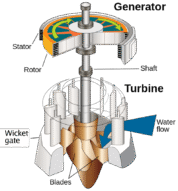
Hydro power generators are the heart of any hydroelectric power system, converting mechanical energy from flowing water into usable electrical energy. Choosing the right type of generator—synchronous or induction (asynchronous)—is critical for optimizing performance, efficiency, and cost-effectiveness. This guide explores the key differences, working principles, advantages, and ideal applications of each generator type in hydro power projects.
🔍 What Are Hydro power Generators?
Hydro power generators are electro-mechanical devices installed in hydroelectric plants to transform kinetic energy from water turbines into electrical power. The two primary types used in hydro power systems are:
- Synchronous Generators
- Induction (Asynchronous) Generators
The selection depends on several factors:
- Turbine capacity
- Hydraulic head and water flow
- Grid connectivity
- Operational environment (grid-tied vs off-grid)
⚙️ Synchronous Generators in Hydropower
✅ How Synchronous Generators Work
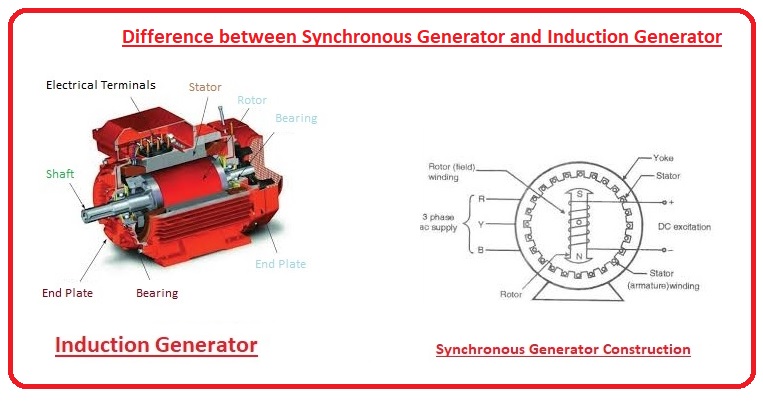
Synchronous generators operate at a constant speed, synchronized with the frequency of the electrical grid (typically 50 Hz or 60 Hz). The rotor is excited using a DC source, creating a magnetic field that interacts with the stator to produce electricity.
📌 Key Features
- Grid Synchronization: Maintains precise frequency and voltage.
- Excitation System: Requires external or self-excitation via field windings.
- Speed Stability: Operates at fixed synchronous speed.
🏭 Common Applications
- Medium to large-scale hydro power plants
- Grid-connected systems requiring voltage and frequency regulation
- Industrial power generation
🌟 Advantages of Synchronous Generators
- High efficiency and power quality
- Capable of operating at leading, lagging, or unity power factor
- Suitable for both generation and motor applications
- Equipped with Automatic Voltage Regulation (AVR) systems
⚙️ Induction Generators in Hydro power
✅ How Induction Generators Work
Induction generators operate at speeds slightly above the synchronous speed. They rely on reactive power from the grid or capacitor banks to generate electricity through electromagnetic induction.
📌 Key Features
- No Synchronization Required: Easier to integrate in isolated systems.
- Reactive Power Dependency: Needs external excitation.
- Slip Operation: Rotor speed exceeds stator magnetic field speed.
🏞️ Common Applications
- Small, micro, and pico-hydro power plants
- Off-grid or remote installations
- Renewable energy systems with variable loads
🌟 Advantages of Induction Generators
- Simple and rugged design
- Lower capital and maintenance costs
- Tolerant to speed fluctuations
- Ideal for decentralized and rural electrification projects
📊 Comparison Table: Synchronous vs Induction Generators
| Feature | Synchronous Generator | Induction Generator |
| Operating Speed | Constant (synchronous speed) | Slightly above synchronous |
| Excitation Source | External or self-excited | Grid or capacitor bank |
| Voltage Regulation | Precise (AVR supported) | Limited |
| Power Factor Control | Adjustable | Always lagging |
| Maintenance Requirements | Higher | Lower |
| Cost | Higher | Lower |
| Grid Compatibility | Requires synchronization | No synchronization needed |
| Ideal Use Case | Large grid-connected plants | Small off-grid systems |
🧠 Conclusion: Choosing the Right Generator for Your Hydro power Project
Selecting between synchronous and induction generators depends on your project’s scale, location, and operational goals:
- Synchronous generators are ideal for large-scale, grid-connected hydro power plants, offering superior control, efficiency, and reliability.
- Induction generators are best suited for small-scale or off-grid hydro power systems, providing cost-effective and low-maintenance solutions.
Understanding these differences empowers hydro power developers to make informed decisions that enhance energy output, reduce costs, and ensure long-term sustainability.