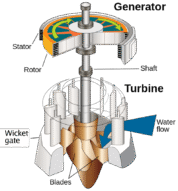
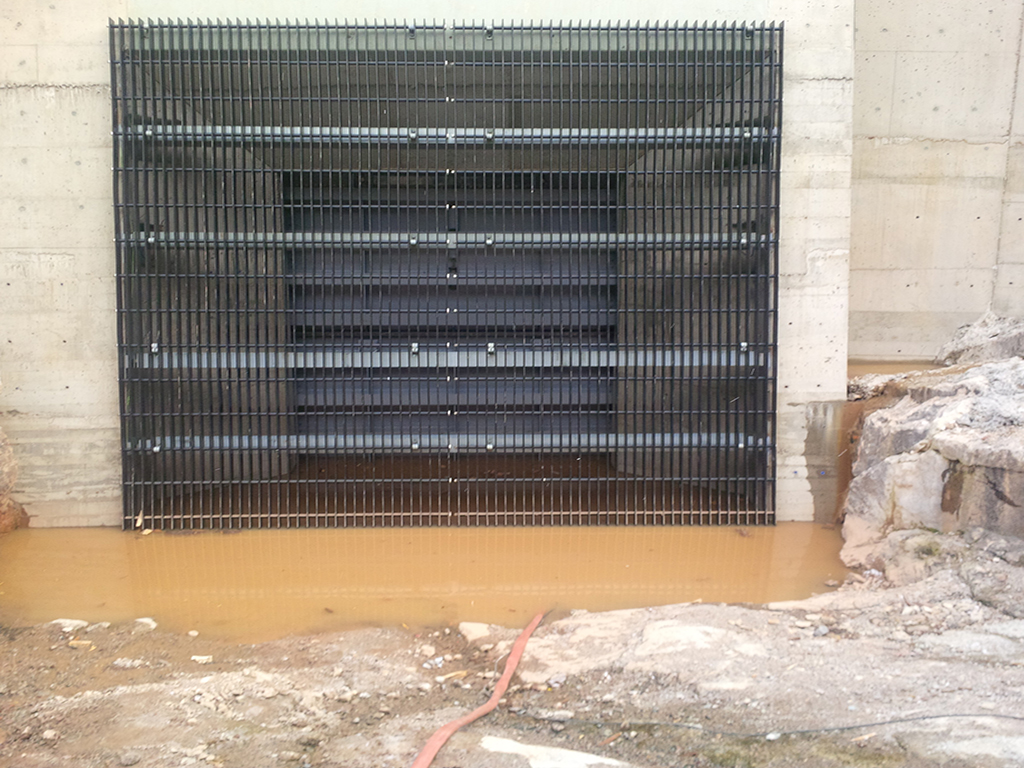
A trash rack in a hydro power plant is a critical protective structure installed at the water intake to filter out large debris such as logs, branches, aquatic vegetation, plastics, and other floating materials. By preventing these objects from entering the system, trash racks safeguard turbines, maintain efficient water flow, and ensure uninterrupted power generation.
These screening systems are indispensable in hydroelectric power stations, contributing to equipment longevity, reduced maintenance costs, and optimized plant performance.
⚙️ Key Functions of Trash Racks in Hydro power Plants
1. Debris Protection
- Blocks large floating debris from entering the intake system.
- Prevents clogging and maintains clear water channels.
- Reduces the risk of damage to downstream components.
2. Equipment Safety
- Shields turbines, generators, and auxiliary systems from mechanical harm.
- Minimizes wear and tear caused by solid particles.
- Enhances the durability and reliability of hydro power machinery.
3. Operational Continuity
- Ensures smooth and consistent turbine operation.
- Prevents emergency shutdowns due to intake obstructions.
- Supports stable electricity production without interruptions.
4. Maintenance Reduction
- Decreases the frequency of manual cleaning and repairs.
- Cuts down on operational downtime.
- Improves overall plant availability and efficiency.
🔍 How Trash Racks Work
🧱 Screening Mechanism
Trash racks consist of parallel metal bars with carefully spaced gaps that allow water to flow through while blocking solid debris. The spacing is customized based on turbine type and expected debris size.
📍 Installation Location
Typically positioned at the intake channel, penstock entrance, or diversion tunnel, trash racks intercept debris before it enters the hydro power system.
🧹 Cleaning and Maintenance
Regular cleaning is essential to maintain optimal flow. This can be done:
- Manually (for small-scale plants)
- Mechanically (using rakes or scrapers)
- Automatically (via trash rack cleaning machines)
Cleaning prevents sediment buildup, pressure loss, and reduced hydraulic efficiency.
🛠️ Design Considerations for Trash Racks
| Design Element | Description |
|---|---|
| Arrangement | Can be straight, inclined, or semicircular. Inclined racks are easier to clean and handle more debris. |
| Material | Made from structural steel or stainless steel with corrosion-resistant coatings for durability. |
| Bar Spacing & Shape | Determined by turbine type and debris size. Hydrodynamic shapes (e.g., wedge wire) reduce head loss. |
| Fish-Friendly Design | Optional eco-friendly designs minimize fish entrainment and support aquatic biodiversity. |
🌍 Importance of Trash Racks in Hydro power Plants
- ✅ Ensure safe and reliable turbine operation
- ✅ Prevent costly equipment damage and downtime
- ✅ Support sustainable hydro power generation
- ✅ Optimize water intake efficiency and reduce energy losses
- ✅ Promote environmental protection and regulatory compliance