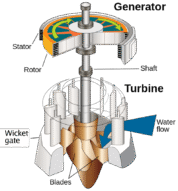
Hydro power plants depend on a diverse array of industrial valves to manage water flow, ensure operational safety, and maintain system efficiency. These valves play a pivotal role in regulating pressure, isolating pipelines, preventing backflow, and controlling high-volume discharges. Understanding the types of valves used in hydro power systems is essential for engineers, plant operators, and infrastructure planners aiming to optimize performance and reduce downtime.
🚪 1. Gate Valves
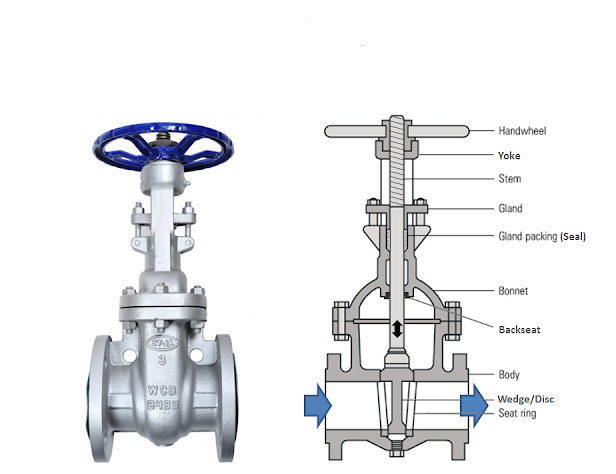
Function: Gate valves are primarily used for on/off control. When fully open, they allow unobstructed water flow; when closed, they provide a tight seal. However, they are not suitable for throttling due to potential damage from water turbulence.
Application: Ideal for isolating sections of penstocks or pipelines during maintenance, inspection, or emergency shutdowns.
🌐 2. Globe Valves
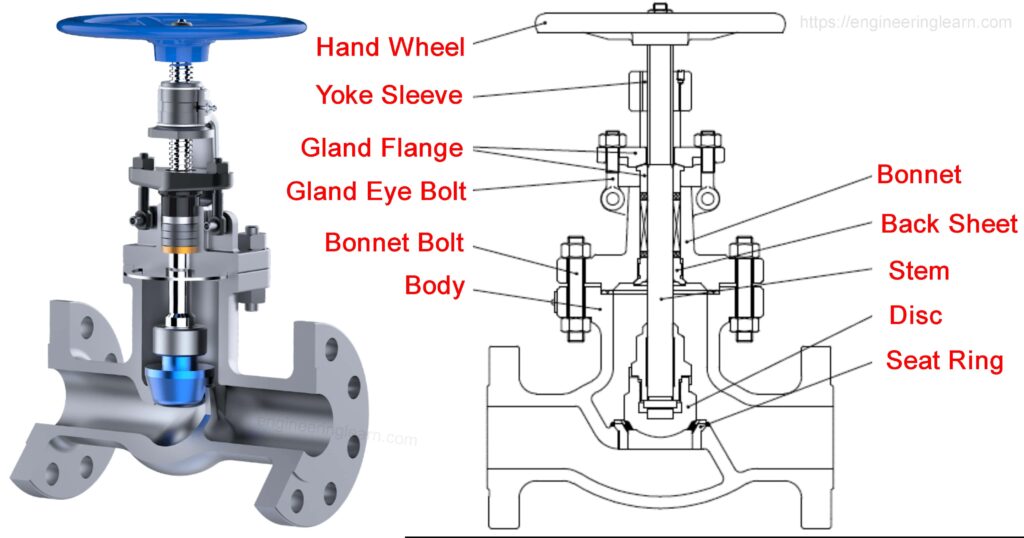
Function: Globe valves offer precise flow regulation through a movable plug that adjusts vertically. They are designed for throttling and fine control of water flow.
Application: Commonly used in auxiliary systems, cooling water circuits, and areas requiring accurate flow adjustment.
⚽ 3. Ball Valves
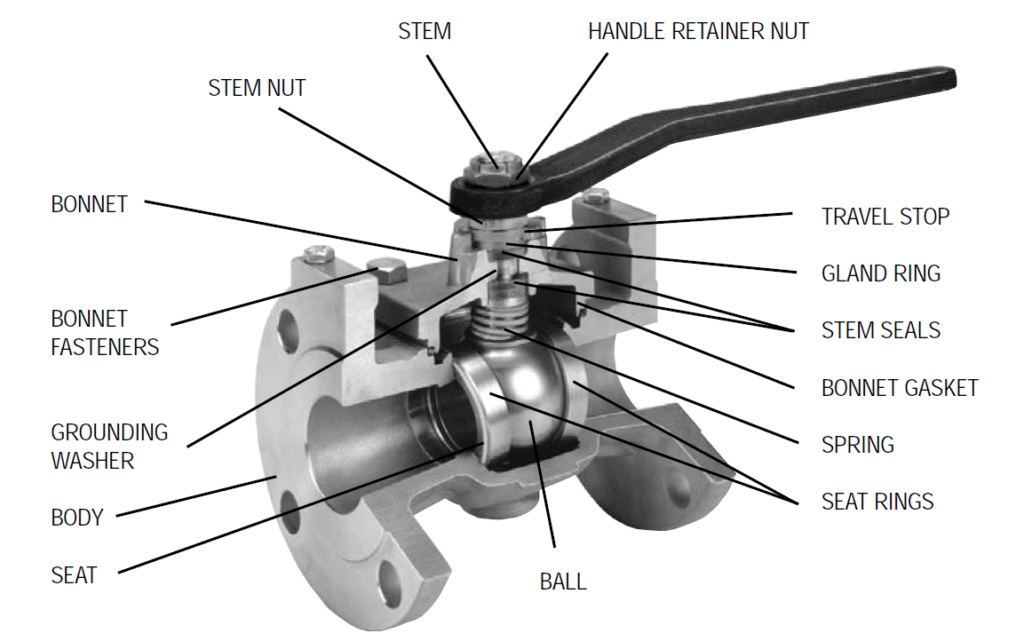
Function: Ball valves feature a rotating ball with a central bore, enabling quick shut-off or full flow with a 90-degree turn. They provide excellent sealing and minimal leakage.
Application: Used for frequent operation and rapid isolation in control rooms, bypass lines, and emergency systems.
🦋 4. Butterfly Valves
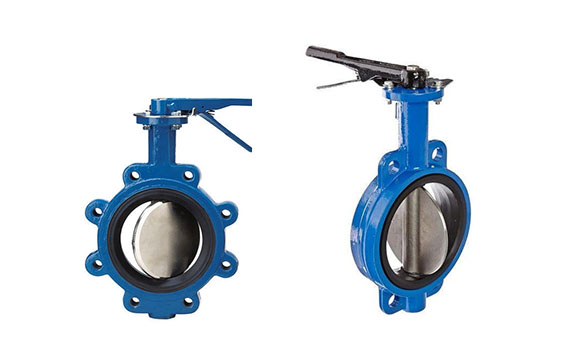
Function: Butterfly valves use a rotating disc to regulate flow. They are lightweight, compact, and cost-effective, especially for large-diameter pipelines.
Application: Installed at turbine inlets and main water conduits to control flow during power generation.
✅ 5. Check Valves/Non Return Valves
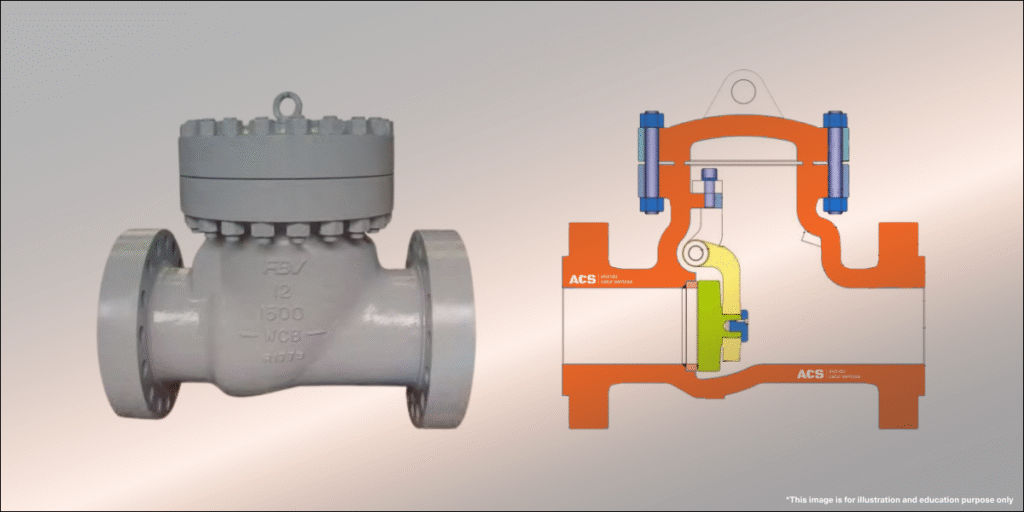
Function: Check valves allow water to flow in one direction only, automatically preventing reverse flow that could damage turbines or pumps.
Application: Positioned in discharge lines and pump systems to safeguard equipment from back flow.
💧 6. Specialized Discharge and Control Valves
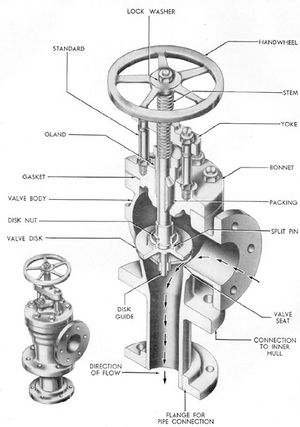
Hydro power plants require advanced valves for high-pressure discharge and precision control:
- Fixed Cone Valves: Designed for controlled release of large water volumes from dams, with energy dissipation features.
- Needle Valves: Enable fine regulation under high pressure, ensuring smooth and stable flow.
- Spherical Valves: Heavy-duty valves used in large-scale hydro power projects to manage massive water volumes.
📉 7. Pressure-Reducing Valves
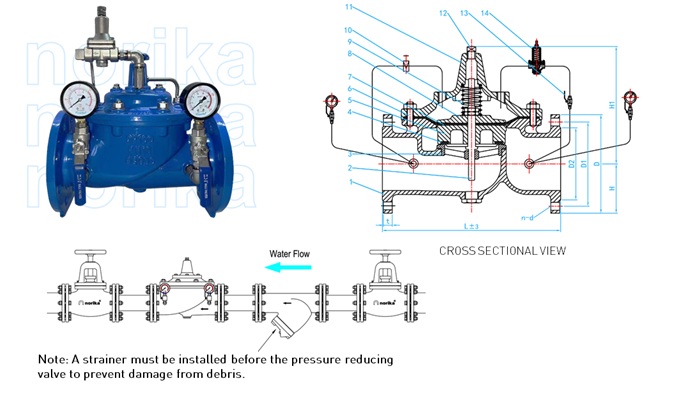
Function: These valves reduce incoming high-pressure water to safer levels, protecting downstream systems.
Application: Installed before turbines, auxiliary equipment, and sensitive pipelines to prevent pressure-related damage.
🌬️ 8. Air Release Valves
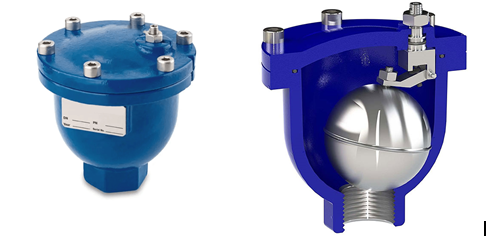
Function: Air valves release trapped air and admit air during drainage, preventing vacuum conditions that could collapse pipelines.
Application: Used in penstocks, surge tanks, and long pipeline stretches to maintain hydraulic stability.
🌊 Conclusion: Enhancing Hydro power Plant Efficiency with the Right Valves
Valves are integral to the safe and efficient operation of hydro power plants. From basic isolation valves like gate and ball valves to advanced control valves such as cones and needles, each type serves a unique purpose in water management and system protection. Selecting the appropriate valve type ensures optimal flow regulation, minimizes maintenance downtime, and enhances overall plant reliability.