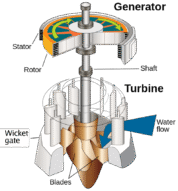
A typical industrial or power plant cooling water system includes:
- Pumps – for circulating cooling water
- Heat Exchangers – for transferring heat
- Valves – for regulating flow and pressure
- Filters – for maintaining water purity
The design and complexity of these systems vary depending on the application, ranging from compact engine cooling systems to large-scale primary and secondary cooling loops in power generation plants
🚀 1. Pumps: Circulating the Lifeblood of the System
Function: Pumps maintain continuous water circulation and provide the necessary pressure to move water through the system.
Types of Pumps:
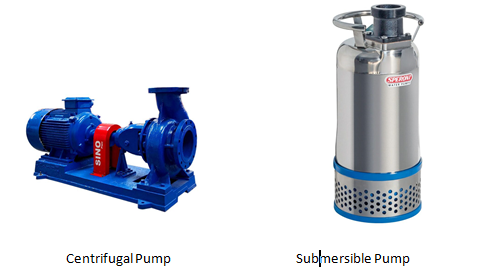
| Pump Type | Application Area | Material Used |
|---|---|---|
| Centrifugal Pumps | Secondary cooling systems; high flow efficiency | Cast iron/aluminum |
| Submersible Pumps | Primary systems; submerged in reservoirs or rivers | Corrosion-resistant alloys |
These pumps are engineered for durability, corrosion resistance, and high-volume performance, making them ideal for demanding industrial environments.
♨️ 2. Heat Exchangers: Transferring Thermal Energy
Function: Heat exchangers transfer heat from primary equipment (e.g., turbines, engines) to the cooling medium (water), and then to a secondary medium such as air or another water loop.
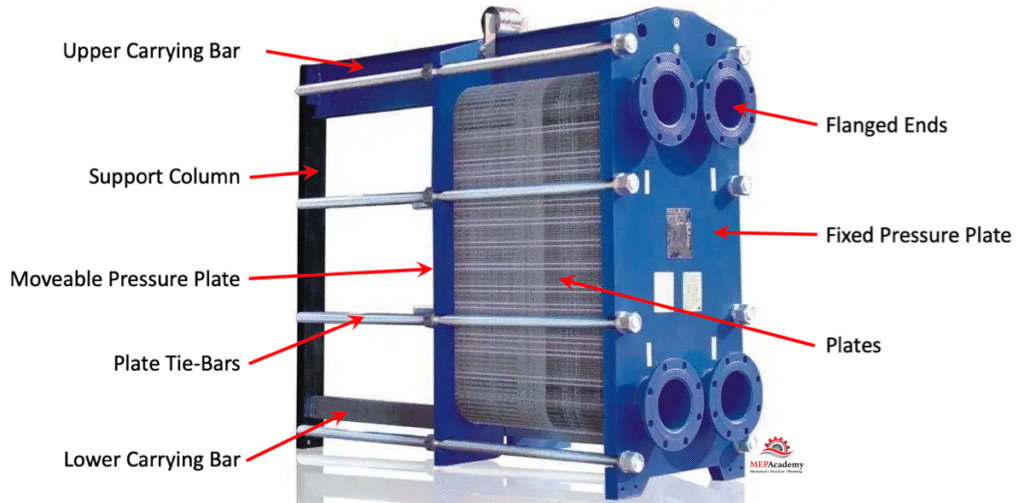
Types of Heat Exchangers:
- Shell-and-Tube Heat Exchangers – Ideal for heavy-duty applications like oil cooling and steam condensation.
- Plate Heat Exchangers – Compact and efficient, suitable for space-constrained installations.
Advanced designs now incorporate high-efficiency materials and IoT-enabled monitoring for real-time performance optimization
🔄 3. Valves: Controlling Flow and Pressure
Function: Valves regulate, isolate, and control the direction and pressure of cooling water throughout the system.
Common Valve Types:
- Ball Valves – Fast shut-off capability
- Check Valves – Prevent backflow
- Control/Thermostatic Valves – Adjust flow based on temperature
- Butterfly Valves – Efficient for large-volume regulation
These valves are critical for system safety, automation, and energy efficiency.
🧼 4. Filters: Ensuring Water Purity
Function: Filters remove suspended solids, silt, and debris to protect sensitive components like pumps and heat exchangers.
Filter Categories:
- Primary Filters – Coarse filters or cyclone separators for large debris
- Secondary Filters – Fine duplex and cyclone filters for high water quality
Proper filtration reduces maintenance costs, improves system reliability, and extends equipment lifespan.
🔁 How the Cooling Water System Operates
The cooling water system functions as a closed-loop or open-loop cycle, depending on the plant design:
- Pumps circulate water through the system.
- Heat exchangers absorb and transfer excess heat.
- Valves regulate flow and pressure based on operational needs.
- Filters ensure clean water reaches critical equipment.
Modern systems may also incorporate hybrid cooling, dry cooling, and wastewater reuse technologies to enhance sustainability and reduce environmental impact.
🌱 Sustainability and Future Trends
Emerging innovations in cooling water systems include:
- Advanced heat exchanger materials
- Reuse of treated wastewater
- IoT-based performance monitoring
- Dry and hybrid cooling systems for water conservation
These trends aim to reduce thermal pollution, water consumption, and carbon footprint, aligning with global sustainability goals.